
Residency and Owning Property in Costa Rica as a Foreigner
You do not need residency to buy property in Costa Rica, but understanding the difference between titled land and coastal concessions, and knowing the investor-residency thresholds, will shape every purchase decision you make.
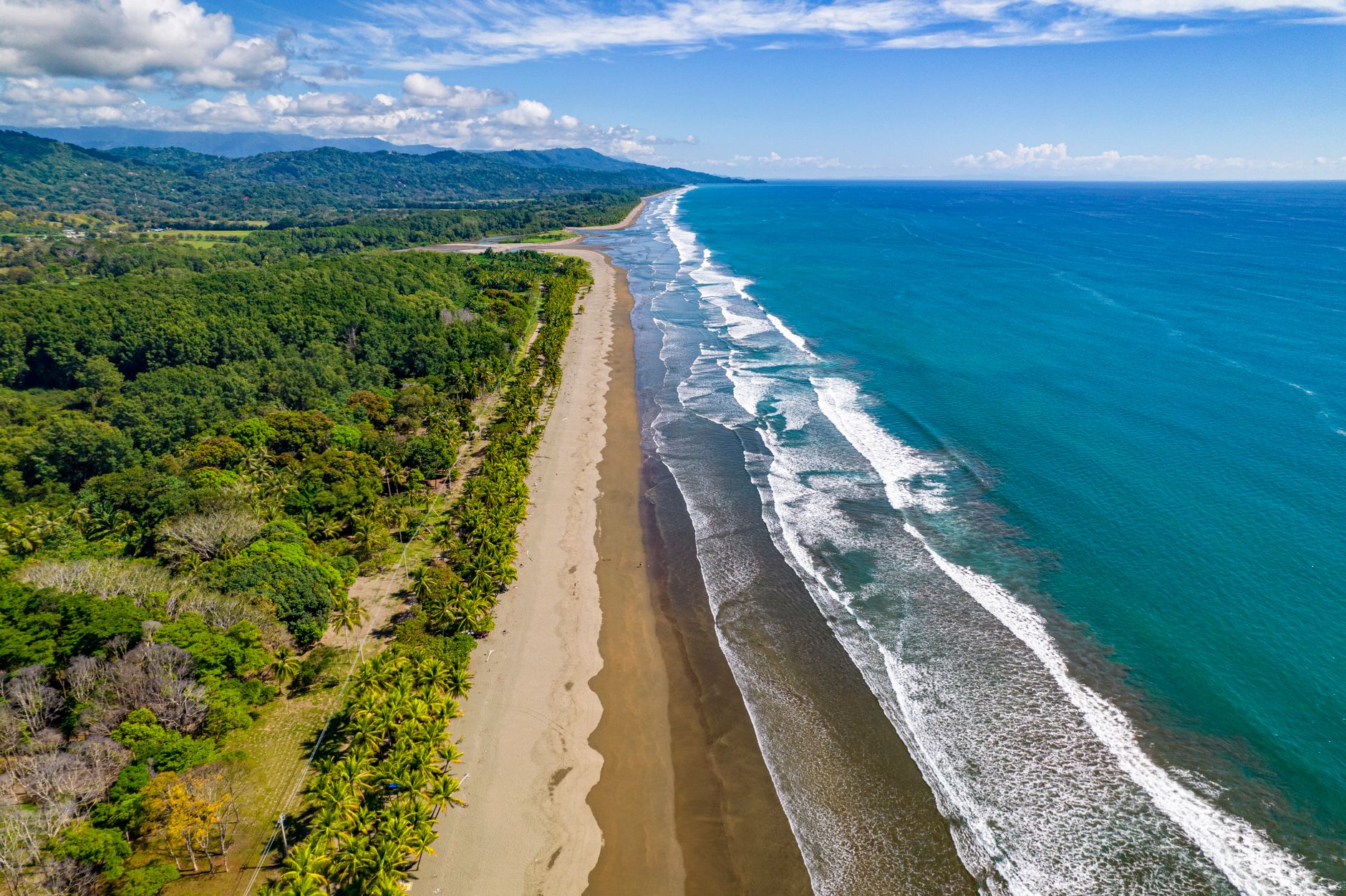
Do you need residency to own property in Costa Rica?
No. Costa Rica allows foreigners to purchase titled property on exactly the same legal footing as Costa Rican citizens. You can close on a home, hold title in your own name, and resell it without ever obtaining a residency permit. This applies to the vast majority of properties listed across the country, from Central Valley homes in San Jose to Pacific-facing lots in Guanacaste.
This open-ownership framework is codified in the Costa Rican Constitution, which grants foreigners equal property rights. There is no minimum time-in-country requirement, no special permit category, and no cap on the number of properties a foreigner may hold. The only meaningful restriction concerns a specific strip of land along the coast, covered in the section below.
What is the investor (inversionista) residency category?
The inversionista category lets you convert a qualifying investment into legal residency. Once approved, you receive a two-year temporary residency permit that can lead to permanent residency after three years and citizenship eligibility after seven years of continuous legal residence.
The minimum investment threshold has been in transition. A reduced threshold of USD 150,000 was set by law with a sunset date of July 14, 2026; after that date, the requirement reverts to USD 200,000 unless the National Assembly acts to extend it. Confirm which threshold applies to your timeline with a Costa Rican immigration attorney before submitting documents. Qualifying investment vehicles include titled real estate, active business shares, securities, sustainable-tourism projects, and forestry projects (the forestry category carries a separate, lower minimum). Real estate is the most common route, but since approximately 2025, immigration authorities require the property to be registered in the applicant's personal name at the Registro Nacional; holding shares in a corporation that owns the property is generally not accepted as equivalent direct ownership.
What is the maritime zone, and how does it affect foreigners?
The Maritime Zone Law (Ley sobre la Zona Marítimo Terrestre) governs the 200-meter strip measured from the mean high-tide line on every beach. The first 50 meters is the public zone: no one may own it, build on it, or obtain a concession for it. The remaining 150 meters is the concession zone, where the land is owned by the state and individuals hold long-term use concessions granted by the relevant municipality.
Foreigners face a hard ownership ceiling on concession land. A non-resident foreigner may hold a maximum 49% interest in a concession; Costa Rican citizens or nationals who have held legal residency for at least five years must control the remaining 51%. This makes concession properties inherently more complex than titled property: you are dependent on a local majority partner, and the concession itself is subject to renewal, municipal approval, and development restrictions set in a local zoning plan called the plan regulador. Buyers should verify whether a beachfront property sits on titled land (fee-simple, no restriction) or concession land before making any offer. In practice, titled beachfront property is rare but does exist, particularly on elevated lots or in areas that were surveyed and registered before the 1977 law took effect.
The Guanacaste coast and the Puntarenas and southern Pacific regions both have a mix of titled and concession beach properties, making due diligence on the Registro Nacional critical before any purchase.
What holding structures do foreign buyers typically use?
The two most common corporate vehicles are the Sociedad Anonima (SA) and the Sociedad de Responsabilidad Limitada (SRL). Both are Costa Rican entities registered with the Registro Nacional and capable of holding title to real property. Using a corporation can offer liability insulation, simplify inheritance, and make future share transfers administratively easier than a full property deed transfer.
However, there are trade-offs worth knowing. U.S. citizens using a corporate structure face IRS reporting obligations because the Costa Rican SA or SRL is classified as a foreign corporation; profits distributed from the entity are taxed at the shareholder level after local taxes, creating a potential double-taxation issue depending on treaty status. As noted above, corporate ownership also disqualifies you from using the asset for the inversionista residency application under current immigration practice. Annual corporate tax filings are required even for holding-only entities.
For most straightforward acquisitions, holding in personal name is simpler and is required if residency is a goal. Corporate structures make most sense when multiple buyers share ownership, when asset protection from personal liability matters, or when the property is intended to generate rental income under a business operation.
What taxes and closing costs should you budget?
Budget approximately 3.5 to 6 percent of the purchase price for closing costs as a starting range; the actual total depends on the purchase price, how costs are allocated between buyer and seller in negotiation, and the notary firm used. The transfer tax is 1.5% of the declared value (or registered fiscal value, whichever is higher). Additional costs include documentary stamps, the National Registry recording fee, and notary fees, which in Costa Rica are capped on a sliding scale set by the Colegio de Notarios. Legal fees vary by firm. Confirm current stamp and registry rates with your closing attorney, as these can change.
Annual property tax is assessed at 0.25% of the registered fiscal value. Properties valued above a threshold set each year are also subject to a luxury home tax (Impuesto Solidario), assessed on a progressive scale; confirm the current threshold with a local notary.
Where can you start your property search?
You can browse current homes for sale across Costa Rica to compare regions, price points, and property types before engaging an attorney. For market-level context, the Costa Rica property market data page offers pricing benchmarks that help frame what a specific listing is worth relative to broader trends.
The single most important step for any foreign buyer remains hiring a Costa Rican notary-attorney (notario) who is independent of the seller. Title searches in the Registro Nacional, lien verification, municipal concession status, and tax clearances are all legal tasks that should be completed before any deposit changes hands.
Explora todas las propiedades en venta y alquiler en Costa Rica en un mapa, en inglés o español.